Survey myths busted: what a marine survey really covers, the red flags that matter, and when to walk away
Marine Survey Myths Busted: What Really Matters Before You Buy a Boat or Yacht
A marine survey is one of the most important steps in buying (or selling) a boat or yacht—and one of the most misunderstood. At New Anchor Yacht Sales, we see fantastic opportunities seized and costly mistakes avoided because buyers took their surveys seriously… and knew what to do with the results.
This guide breaks down what a marine survey really covers, the red flags that matter, and how to know when it’s time to walk away.
What Is a Marine Survey, Really?
A marine survey is an independent, professional inspection of a vessel’s condition and value. Think of it as a home inspection—only for something that lives in a harsh, corrosive, constantly moving environment.
For most purchases, you’ll be dealing with a pre-purchase survey, which typically includes:
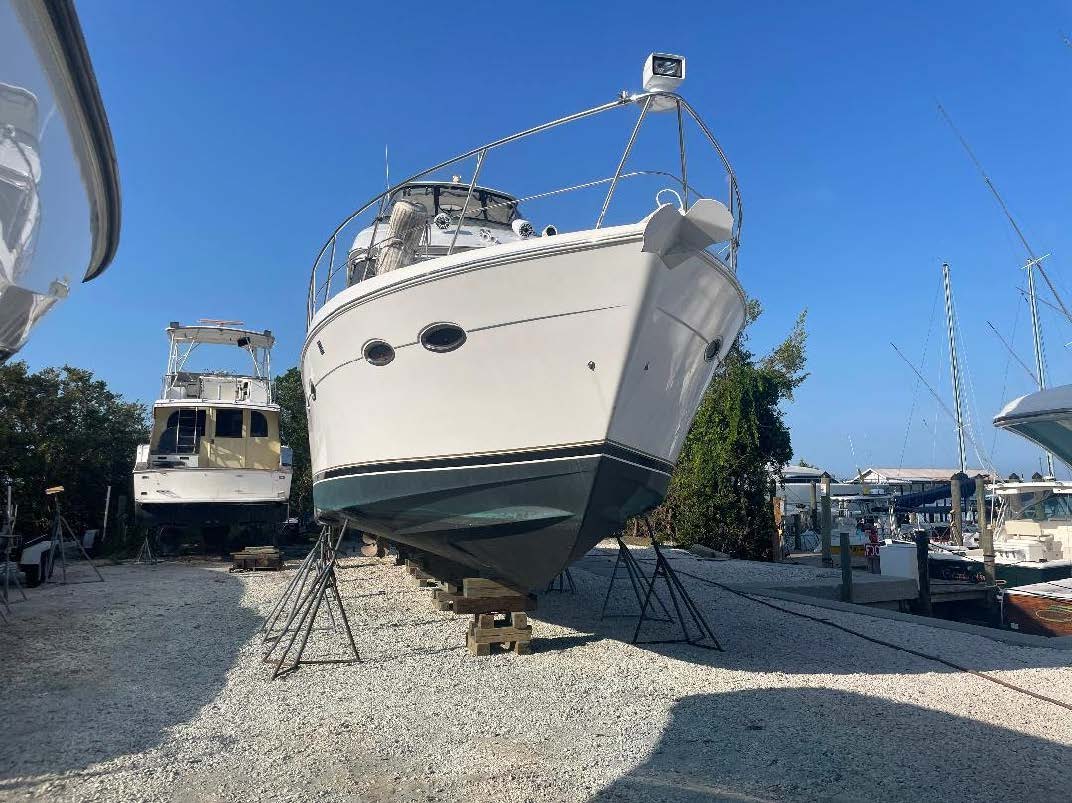
- Haul-out inspection (if applicable) to examine the hull below the waterline
- Sea trial to test performance underway
- Systems check (engines, electrical, plumbing, electronics, etc.)
- Safety and compliance review with Coast Guard and insurance standards
- Valuation for financing and insurance purposes
A qualified surveyor is not guessing. They’re relying on training, standards (like ABYC and NFPA), and years of experience with similar boats.
Common Myths About Marine Surveys
Myth 1: “If it looks clean, it must be in great shape.”
Fresh wax, new upholstery, and tidy lockers are nice—but they don’t tell you what’s happening below the waterline or behind the panels. Some of the most serious issues are invisible without proper tools and access.
A good surveyor focuses on structure and systems, not cosmetics.
Myth 2: “If it’s a newer boat, I can skip the survey.”
Even relatively new boats can have:
- Manufacturing defects
- Poor maintenance
- Incorrect DIY wiring or installs
- Undocumented groundings or damage
If you’re investing serious money, a survey is cheap insurance—no matter the model year.
Myth 3: “A survey guarantees a perfect boat.”
No surveyor can promise a flawless vessel. Boats, by nature, always have a list. The survey’s value is giving you a clear, prioritized understanding of what you’re buying, so you can negotiate, plan upgrades, or decide to walk away.
Myth 4: “I’ll just use the seller’s old survey.”
An old survey is history, not a status report. Conditions change fast: corrosion advances, moisture spreads, engines age, and previous recommendations may not have been addressed. Always commission your own independent surveyor who works for you—not for the seller.
What a Quality Marine Survey Should Cover
While details vary by vessel type and size, a comprehensive pre-purchase survey typically examines:
1. Structural Integrity
- Hull and deck condition (including core moisture readings where accessible)
- Stringers, bulkheads, and structural tabbing
- Evidence of previous repairs, impacts, or delamination
- Keel, running gear, and rudder condition (for inboards and sailboats)
This is the backbone of the boat. Structural issues are often expensive and invasive to repair.
2. Mechanical and Propulsion Systems
- Engines and transmissions (visual inspection, performance under load, basic diagnostics)
- Engine mounts, alignment, and shaft seals
- Steering systems, trim tabs, and thrusters
- Generator condition and operation
Note: A marine survey is not the same as a full mechanical inspection. For high-value or complex yachts, we often recommend a separate engine survey by a brand-certified technician.
3. Electrical and Fuel Systems
- AC and DC panels, wiring practices, and protection
- Battery condition, cabling, and charging systems
- Fuel tanks, hoses, clamps, and vents
- Grounding and bonding systems
Substandard wiring and aging fuel systems are not just inconvenient—they’re safety hazards and insurance red flags.
4. Safety and Regulatory Compliance
- Fire extinguishers, fire suppression systems, and alarms
- Bilge pumps and high-water alarms
- Navigation lights and horn
- Ground tackle (anchor, chain, rode)
- Compliance with key ABYC and USCG safety guidelines
Insurers and lenders pay close attention to this section of the survey.
5. Cosmetic and Functional Items
- Gelcoat, paint, and brightwork
- Canvas, upholstery, and soft goods
- Doors, hatches, latches, and hardware
- Electronics, entertainment systems, and appliances
These items impact comfort, enjoyment, and resale—but rarely by themselves justify walking away.
The Red Flags That Really Matter
Not every defect is a dealbreaker. Many issues simply become negotiation points. But some findings deserve serious pause, especially when they involve safety, structure, or long-term reliability.
Key red flags include:
- Widespread hull or deck moisture in core structures
- Evidence of structural movement: cracked stringers, bulkheads separating, flexing decks
- Severe corrosion on running gear, through-hulls, or critical hardware
- Improper fuel system installs (non-marine hose, unsecured tanks, leaking fittings)
- Major electrical hazards: undersized wiring, missing breakers, DIY “spaghetti” behind panels
- Engine issues indicating neglect: low compression, severe leaks, inability to reach rated RPM on sea trial
- Undisclosed prior damage: poorly documented groundings, collisions, or storm damage
- Multiple safety non-compliances the seller is unwilling to correct
When several major red flags stack up, especially on an older or heavily modified vessel, your best decision may be to walk away.
When to Walk Away vs. When to Negotiate
The survey report is not a pass/fail scorecard—it’s a decision tool. Here’s a simple framework we use with clients:
Generally Worth Negotiating
- Wear-and-tear items (canvas, cushions, minor leaks)
- Isolated moisture areas that are easy to access and repair
- Aging but serviceable electronics
- Deferred maintenance that’s well-documented and reasonably priced to address
These often become leverage to adjust the purchase price, request seller credits, or have specific items repaired before closing.
Strong Indicators It’s Time to Walk Away
- Structural repairs estimated in the tens of thousands
- Engines or generators at the end of life with unclear maintenance history
- Multiple major safety issues combined with obvious neglect
- Seller unwilling to negotiate or acknowledge serious findings
In those cases, your deposit and survey costs are a small price to pay for avoiding a long-term financial and safety headache.
How New Anchor Helps You Navigate the Survey Process
As a veteran-owned yacht brokerage, we approach every survey with the same values we lived in uniform: integrity, discipline, and mission focus.
Here’s how we support you:
- Surveyor coordination: We connect you with qualified, independent surveyors familiar with your vessel type.
- Sea trial and haul-out logistics: We handle scheduling, marinas, and yard arrangements.
- Clear debrief: We walk you through the survey findings in plain language—what’s normal, what’s negotiable, and what’s a serious concern.
- Strategic negotiation: We use the report to protect your interests, whether that means repairs, price adjustments, or stepping back.
- End-to-end support: From financing and insurance to transport and captain services, we make sure your next move after the survey is confident and informed.
If you’re considering buying or selling a boat or yacht and want a disciplined, transparent approach to the survey and purchase process, New Anchor Yacht Sales is ready to help.
Contact us today to talk through your plans and schedule a consultation for your next marine survey-backed purchase.