What everyone gets wrong about “entry-level” boats: a 10-minute guide to picking your first vessel without outgrowing it in a season
What Everyone Gets Wrong About “Entry-Level” Boats
A 10-Minute Guide to Picking Your First Vessel Without Outgrowing It in a Season
“Entry-level” is one of the most misleading phrases in boating.
For many first-time buyers, it quietly translates to:
• The cheapest option on the dock
• Something to “learn on” before a “real” boat
• A boat you expect to replace in a year
That mindset is exactly how people end up frustrated, upside down on value, and shopping again after one short season.
A smart first boat isn’t the smallest or cheapest. It’s the smallest boat that truly fits how you’ll use it over the next 3–5 years.
At New Anchor Yacht Sales, we help first-time owners avoid the “starter boat trap” every day. Here’s a focused, 10-minute guide to picking your first vessel without outgrowing it before your second summer.
The #1 Mistake: Buying for the Price Tag, Not the Mission
Boat ownership works best when you think like a mission planner, not a bargain-hunter.
Instead of starting with, “What can I afford?”, begin with:
-
Where will you use the boat?
- Inland lakes and rivers
- Coastal cruising
- Offshore / bluewater ambitions
-
Who is usually on board?
- Solo or couple
- Young kids and family
- Friends and guests (how many, realistically?)
-
What will you actually do 80% of the time?
- Day cruising and sandbars
- Watersports (tubing, wakeboarding, skiing)
- Overnights and long weekends
- Fishing (inshore / offshore)
When your “mission profile” is clear, the right boat class starts to emerge: bowrider, pontoon, center console, sport cruiser, or yacht.
Entry-level mistakes usually happen when those answers don’t match the boat. Example: buying a small bowrider because it’s cheap, then realizing every weekend you wish you had a head, shade, and more seating.
The Hidden Cost of Going “Too Small”
Many first-time buyers fear “too much boat.” So they go as small as possible.
The real risk is the opposite.
Under-buying can cost more than stretching slightly to the right platform:
-
You outgrow the boat by season two.
Suddenly you need more space, range, or comfort, but you’re locked into a vessel that limits you. -
You lose on resale.
Two transactions in three years (sell then buy again) almost always cost more than buying the right boat once. -
You compromise safety and comfort.
An underpowered or undersized boat in busy or unpredictable water can turn great days into stressful ones.
The sweet spot is not the biggest boat you can finance. It’s the smallest boat that actually supports your next few seasons of life on the water.
Size, Layout, and Power: How Not to Box Yourself In
When you’re choosing your first boat, three decisions matter most for long-term satisfaction: length, layout, and power.
1. Length: Think Conditions and Crew, Not Ego
As a very rough guide:
-
18–22 feet:
- Protected lakes and rivers
- 2–4 people most trips
- Day use only
-
23–28 feet:
- Larger or busier lakes, light coastal
- 4–8 people
- More storage, shade, often a head
-
30+ feet:
- Coastal cruising, overnighting
- More systems aboard, more training required
- Feels “big” at first—but much more capable
For many buyers, the right first boat is one or two feet larger than they initially think, once we factor real crew size and conditions.
2. Layout: How the Boat Lives Is Everything
Two boats of the same size can feel completely different based on layout:
- Open bowriders: Great for social day boating, kids up front, lots of seating.
- Pontoons & tritoons: Huge deck space, stable, family-friendly, ideal for lakes and sandbars.
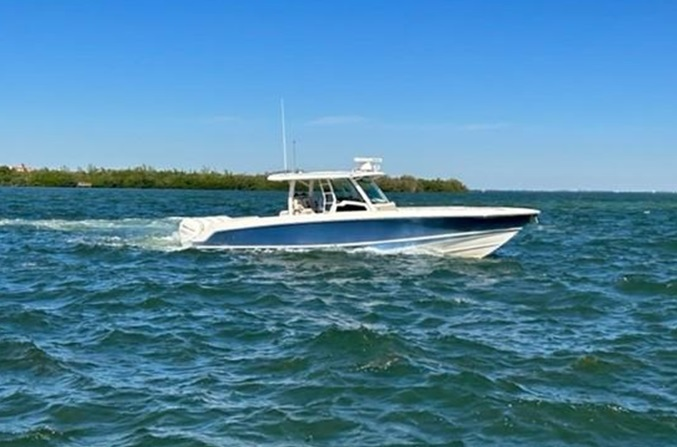
- Center consoles: Walkaround fishing capability, easy to clean, 360° fishability.
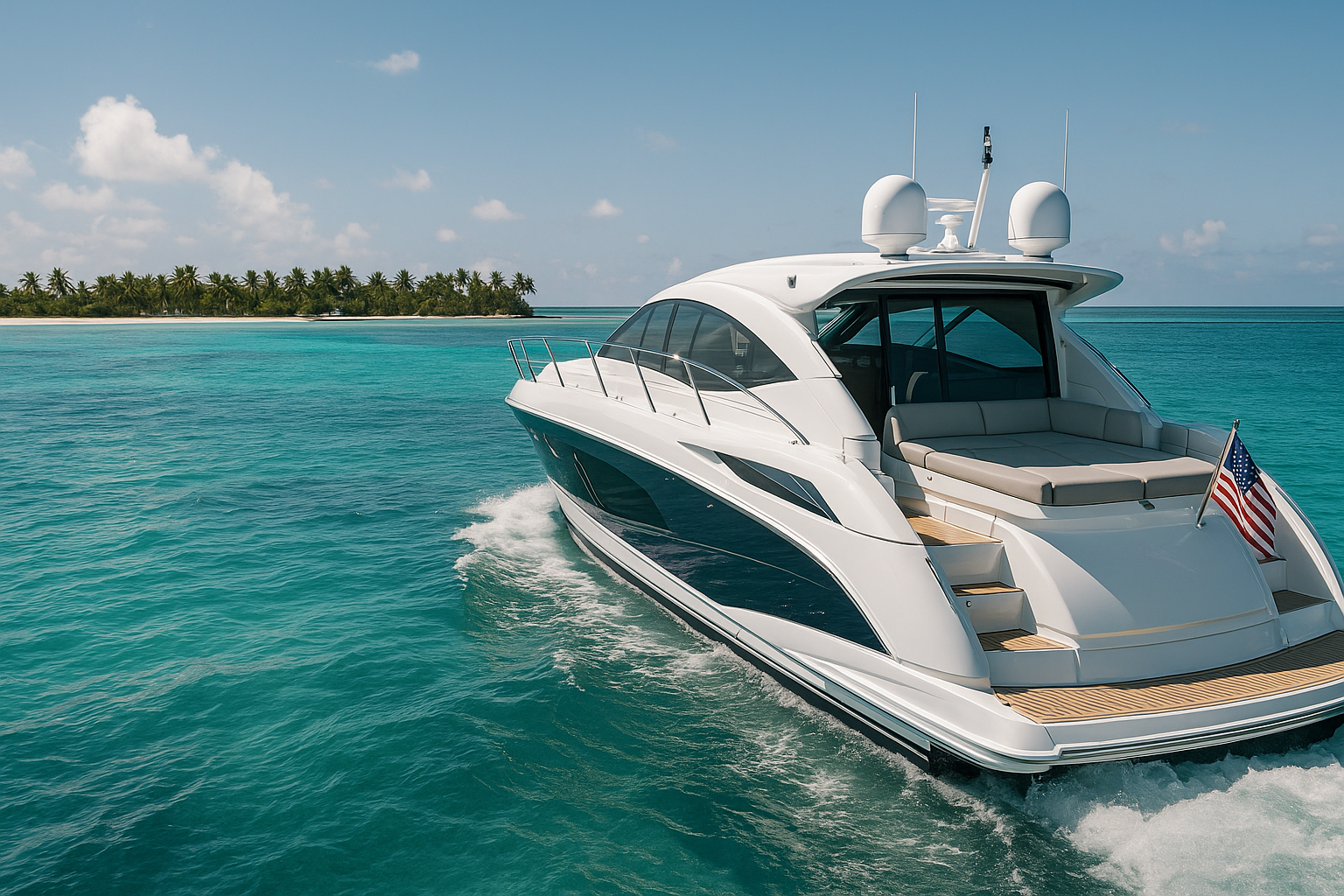
- Cuddy and sport cruisers: Enclosed space for naps, gear, and occasional overnights.
Ask yourself:
- Where will people naturally sit?
- Is there shade where you’ll actually want to be?
- Is there a private space to change or use the head?
- Can you move around safely with kids or older guests aboard?
Picking the right layout is the difference between “We should go out more” and “We never use it.”
3. Power: Don’t Under-Engine Your Future
For your first boat, it’s tempting to cut horsepower to cut cost. The trade-offs:
- Sluggish getting on plane with a full crew
- Limited watersports ability
- Working the engine harder (not better for longevity)
You don’t have to max out the horsepower rating, but aim for the range that will:
- Plane comfortably with your typical load
- Handle your lake or coastal chop
- Leave room for towing and growth
Comfort and Features You Won’t Regret Having
There are a few “entry-level upgrades” that dramatically extend how long you’ll love your first boat:
- Real shade: A bimini or hardtop is not a luxury; it’s the difference between 2-hour and all-day trips.
- Enclosed head (even a simple one): Essential for families and guests, especially on busy water.
- Decent sound system: Small thing, big impact on enjoyment and resale.
- Swim platform and safe boarding ladder: Makes water access and re-boarding much safer for all ages.
- Storage you think is “too much”: It won’t be.
These aren’t about impressing anyone—they’re about making the boat practical, comfortable, and usable for longer days and more seasons.
Financing, Surveys, and Logistics: What New Buyers Often Miss
First-time owners often focus 100% on the boat and overlook the process. That’s where frustration and surprise costs creep in.
A disciplined, full-service approach should include:
-
Smart financing support:
Understanding marine loan structures, terms, and how they differ from auto loans. -
Professional marine survey:
Even for smaller boats, a survey can reveal issues you won’t see on a sea trial. -
Transport and delivery planning:
How the boat gets from point A to B, and what’s required at your home marina or dock. -
On-the-water orientation or captain services:
A few hours with a pro can flatten the learning curve and build real confidence.
At New Anchor, we treat these as part of the mission, not afterthoughts. The goal isn’t just to get you into a boat—it’s to get you into the right boat, with eyes wide open.
How to Start Your Search the Right Way
If you’re serious about a first boat that won’t feel obsolete next spring, follow this simple game plan:
- Write down your 3–5 year “mission profile.” Be specific.
- List your non-negotiables (safety, head, shade, seating, storage).
- Decide your waters: inland, coastal, or a mix.
- Talk to a broker who will challenge your assumptions, not just agree with them.
- Sea trial at least two different types of boats before deciding.
Ready to plan your first boat with a team that treats it like a mission, not a transaction?
Contact New Anchor Yacht Sales today for a straightforward, veteran-led consultation and let’s match you with a first vessel you’ll be proud to own for years, not months.