Your first week with a new yacht, simplified: our captain services curriculum for stress-free docking on Kentucky Lake and beyond
Your First Week With a New Yacht, Simplified: Captain Services for Stress‑Free Docking on Kentucky Lake and Beyond
Taking the helm of a new yacht should feel exciting—not overwhelming. Yet for many new owners, that first week on the water can be intimidating: docking in a new marina, learning your boat’s systems, managing guests, and navigating unfamiliar waters like Kentucky Lake, the Tennessee River, or coastal inlets.
At New Anchor Yacht Sales, we designed our professional captain services curriculum to turn that anxious first week into a confident, stress‑free experience. Whether you’re stepping up from a runabout to a cabin cruiser, or taking delivery of an 80‑foot yacht, our approach is simple: structured training, real‑world practice, and clear, repeatable checklists.
Below is how we typically structure your first week with a new yacht—and how we help you master docking and close‑quarters handling on Kentucky Lake and beyond.
Day 1: Orientation and Safety—Know Your Boat Before You Leave the Dock
We start at the pier, not in open water. Before we talk about docking, we make sure you understand your vessel inside and out.
What we cover on Day 1:
-
Vessel walkthrough
- Helm layout and key controls
- Engines, throttles, and joystick (if equipped)
- Bow and stern thrusters
- Windlass, anchor, and ground tackle
- Shore power, batteries, and generator basics
-
Safety first
- Location and operation of life jackets, flares, fire extinguishers, and first‑aid kit
- Bilge pumps and high‑water alarms
- VHF radio basics and key emergency channels
- How to brief guests before departure
-
Your personal “pre‑departure” checklist
- Fuel and water levels
- Weather and wind direction
- Lines, fenders, and dock configuration
- Electronics and navigation systems online and tested
By the end of Day 1, you know where everything is, how it works, and what to double‑check before you ever untie a line.
Day 2: Helm Control and Slow‑Speed Handling
Most docking anxiety comes from not fully understanding how your yacht behaves at slow speed. We change that by practicing in a controlled environment on Kentucky Lake—or your local waterway.
Core skills we drill on Day 2:
-
Understanding your drive system
- Single vs. twin engines: how each affects turning and pivoting
- Inboard vs. sterndrive vs. pod drives
- How to use a joystick and thrusters effectively (and when not to)
-
Slow‑speed boat control
- The “clutch and coast” technique for smooth maneuvers
- Turning radius at idle vs. with a brief “bump” of throttle
- Maintaining control in crosswinds and current
-
Close‑quarters practice
- Holding position near the dock
- Approaching a fixed point against wind and current
- Backing in a straight line (key for many slips and fuel docks)
This session builds muscle memory, so your hands respond calmly instead of reacting in panic when you’re near pilings or other boats.
Day 3: Docking Fundamentals—Bow‑In, Stern‑In, and Alongside
With the basics in place, we move into real docking scenarios. We choose a variety of docks on Kentucky Lake—or your home marina—to match how you’ll actually use your yacht.
Docking fundamentals we practice:
-
Reading the conditions
- Using wind and current to your advantage instead of fighting them
- Planning your docking approach before you move
-
Standard docking maneuvers
- Bow‑in docking to a slip
- Stern‑in docking for social marinas and easy boarding
- Side‑to (alongside) docking for fuel, restaurants, and quick stops
-
Lines, fenders, and communication
- Proper placement of fenders for different dock types
- Standard line setups for fixed vs. floating docks
- Clear verbal commands with crew or guests (and how to avoid shouting matches)
We repeat each maneuver until you’re comfortable and consistent. You’ll also receive a simple, printed docking checklist you can keep at the helm as a confidence booster.
Day 4: Real Kentucky Lake Scenarios—Marinas, Coves, and Busy Weekends
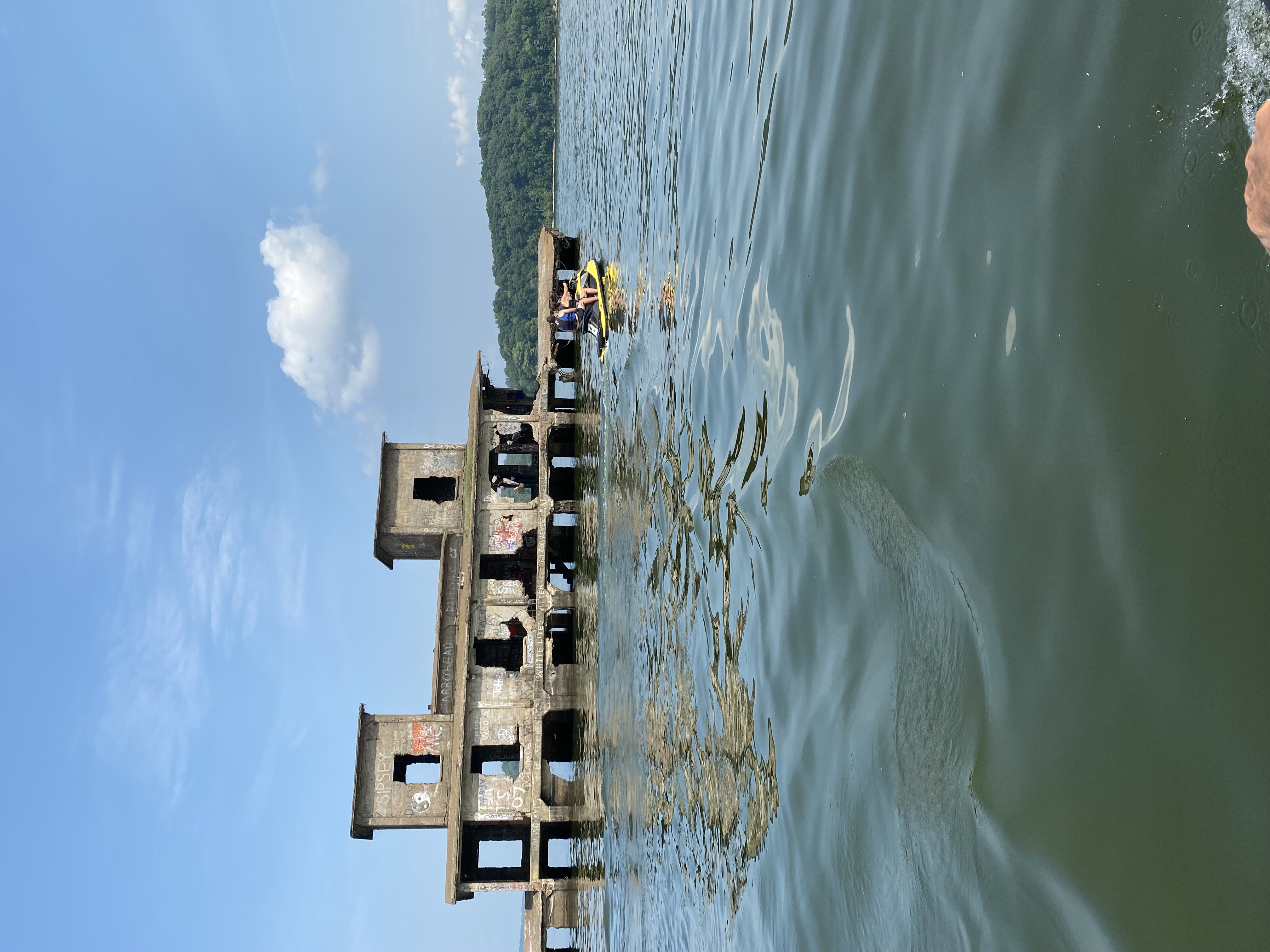
Kentucky Lake offers ideal training grounds: marinas, open stretches of water, tight fairways, and busy weekends with wakes and traffic. Day 4 puts it all together in a real‑world context.
What we emphasize on Kentucky Lake (and similar waters):
-
Approaching unfamiliar marinas
- Reading marina charts and entrance markers
- Radio etiquette when requesting a transient slip or fuel
- Evaluating dock layout before committing to an approach
-
Crowded‑day strategies
- Managing wakes and boat chop near docks
- Keeping your cool when boaters are watching
- Knowing when to pause, reposition, or abort a landing safely
-
Anchoring and rafting in coves
- Setting and testing your anchor
- Swing radius awareness in tight coves
- Safe rafting techniques with friends or other boats
This day is about confidence—in your judgment as much as in your handling skills.
Day 5–7: Custom Curriculum—From Night Docking to Long‑Range Planning
Every owner and every yacht is different, so the rest of the week is tailored to you. For some clients, that means advanced handling on a 70‑ or 80‑foot yacht. For others, it’s refining basic skills on a sport boat or cruiser.
Optional modules we often include:
-
Advanced docking and conditions
- Night docking and low‑visibility approaches
- Handling strong side winds and narrow fairways
- Using technology (cameras, sensors, joystick) without relying on it
-
Voyage and route planning
- Planning a multi‑day trip on the Tennessee River system
- Tides and currents for coastal cruising
- Fuel planning, weather windows, and backup plans
-
Crew and guest management
- Assigning simple, safe roles to non‑boater guests
- Setting boundaries so you can focus on the helm
- Hospitality touches that make you “the captain” everyone trusts
We close the week with a full run where you handle the boat from departure to docking with the captain standing by—not touching controls unless truly needed. The goal is simple: you end the week feeling like the yacht is yours, not the other way around.
Why Work With a Veteran‑Owned Brokerage for Captain Services?
As a veteran‑owned yacht brokerage, we bring a disciplined, mission‑driven mindset to every training session:
-
Standard operating procedures, not guesswork
You get clear checklists and repeatable processes—just like a professional crew. -
Calm, structured instruction
We don’t bark orders. We coach, explain, and build your confidence step by step. -
National reach, local understanding
From Kentucky Lake and the Midwest river system to coastal marinas, we tailor training to where you’ll actually cruise.
Whether you’ve just purchased through New Anchor Yacht Sales or you own a yacht and need a skills reset, our captain services curriculum is designed to make your first week—and every week—on the water safer, smoother, and far more enjoyable.
Ready to feel completely at ease docking your yacht on Kentucky Lake and beyond?
Contact New Anchor Yacht Sales to schedule your captain services and start your first week on the water the right way.